


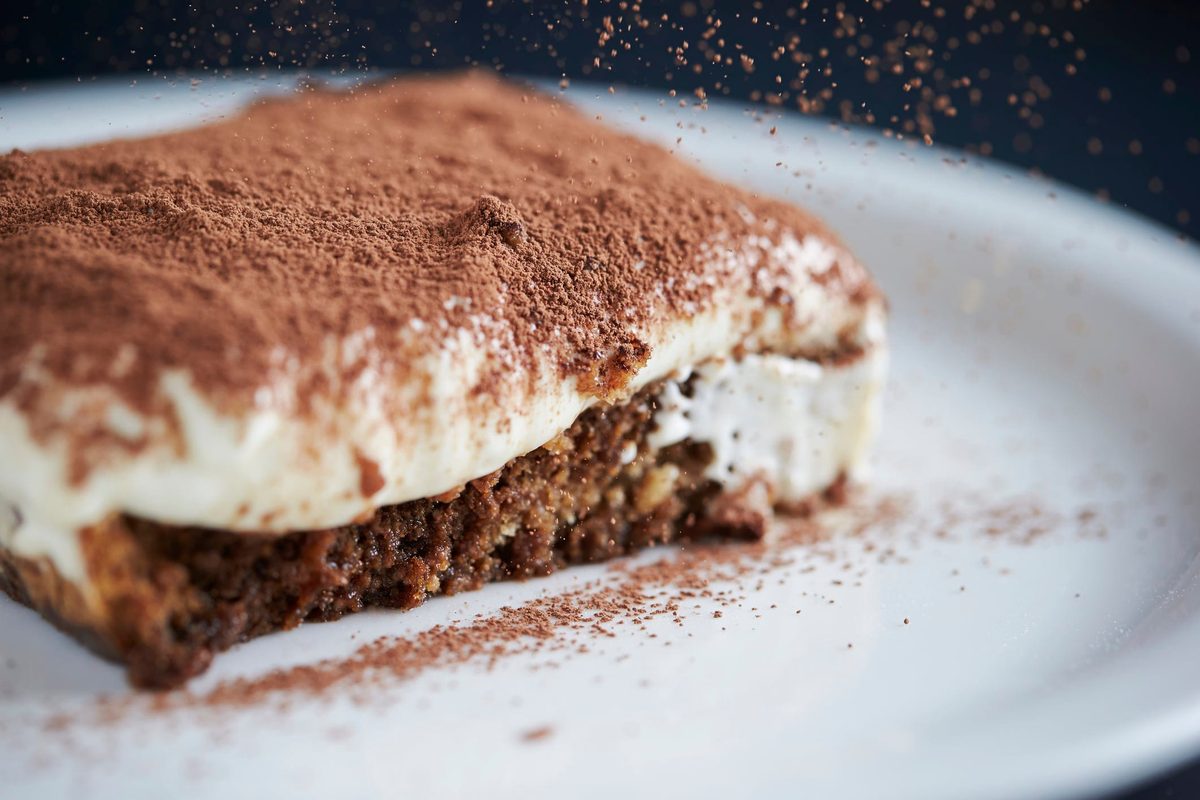
Tiramisu is iconic. You know the type. Layers of creamy mascarpone. Biscotti soaked in espresso. A dusting of cocoa that clings to your fingers. It is undeniably delicious. But let’s be honest. Traditional recipes can be heavy. Dense. You finish three slices and feel like you need a nap. Or worse, a medical intervention.
Most home cooks struggle with texture. They end up with a brick. Or a watery mess. The ratio of eggs to cheese is tricky. The soaking time for the savoiardi is even trickier. Too little liquid and it cracks. Too much and it dissolves into soup.
Cyril Lignac knows this. The French pastry chef is famous for technical precision. He does not believe in guessing. He believes in science. And he has a single ingredient that changes everything. It makes the dessert airy. Light. Unctuous without the weight.
What is it?
It is not a flour. Not a thickener. Not a weird chemical.
It is egg whites.
The science of airy mascarpone
Here is the problem with standard tiramisu. You whip the mascarpone with sugar and yolks. That mixture is rich. Heavy. Calorie-dense. It holds up, sure. But it lacks structure. It lacks lift.
Lignac’s method separates the eggs. You use the yolks for the base. That part stays rich. It stays flavorful. The fat content remains high. The taste is traditional. No compromise there.
But the whites?
You beat them. Soft peaks. Then you fold them into the mascarpone mixture.
This is the trick.
Air bubbles. Tiny pockets of air trapped in the protein structure. When you fold them in gently, you are not just adding volume. You are changing the density. The texture becomes mousse-like. It collapses under the weight of the coffee-soaked biscuits instead of fighting back.
Think about it. A traditional tiramisu sits in your stomach like a stone. This version? It glides.
Why this matters for texture
You might wonder if the eggs are raw. Yes. They are. But they are beaten to a meringue consistency. This stabilizes the structure. The air holds the fat apart. It creates a scaffold.
Without this step, the mascarpone clumps together. It feels heavy on the palate. With the whipped whites, every bite has a slight spring. A lift. It does not flatten out on the tongue.
Does it taste different?
Not really. The flavor profile remains intact. The coffee. The cocoa. The sweetness. The dairy. All of it is there. But the experience is lighter. You can eat two slices and still feel ready for dinner. That is a victory.
How to execute the fold correctly
This is where most people fail. They try to mix vigorously. They want it smooth. They lose the air.
You must fold. Gently. Use a spatula. Cut down the middle. Sweep along the bottom. Turn the bowl. Repeat.
Do not overmix.
If you beat it again, you pop the bubbles. You lose the lightness. You go back to a dense paste. The difference between success and


How whipped cream changes the classic tiramisu
The traditional recipe is deceptively simple. Eggs, sugar, mascarpone, ladyfingers (boudoirs), strong coffee, cocoa. That’s it. But here is the problem. If you don’t balance these ingredients correctly, you end up with something dense. Heavy. Almost suffocating after a large meal.
Chef Cyril Lignac sees this flaw. And he has a fix.
The airy secret to lighter dessert
Lignac’s trick isn’t complicated. It’s about texture. He adds whipped cream to the mascarpone mixture. This specific modification creates an airy structure. It keeps the richness you love but removes the weight.
Why does this work?
Whipped cream introduces air bubbles into the fat content of the mascarpone. The result is mousse-like. It feels lighter on the palate. It doesn’t mask the flavor. Instead, it highlights it. You still get that deep, savory tang of the cheese. But the mouthfeel changes completely. It becomes elegant.
How to fold without destroying the texture
Getting the ratio right is half the battle. The other half is technique.
Start by mixing your egg yolks and sugar with the mascarpone until smooth. This forms your base. Then, you introduce the whipped cream. Do not beat it again. You want it stable, but not stiff enough to crack under pressure.
Use a spatula. Fold gently. The goal is to keep the air pockets intact. If you stir too vigorously, you deflate the mixture. You lose the lift. You’re back to square one with a dense, heavy paste. It should be delicate. Almost fragile.
“The integration of whipped cream must be done with care to preserve the airy consistency.”
Beyond the cream: Mastering the layers
Whipped cream is the hero, but the supporting cast matters just as much. A great tiramisu relies on details.
- Coffee quality : Use a strong espresso. Weak coffee tastes watery. It dilutes the entire dessert.
- Dip, don’t drown : Ladyfingers soak up liquid fast. A quick dip in coffee is enough. If they get soggy, they turn to mush. You lose the structural contrast.
- Patience : This isn’t a quick fix. Refrigerate it for at least four hours. Overnight is better. The flavors need time to marry. The texture needs time to set.
- Aromatics : Add vanilla to the cream or a splash of Amaretto. It adds depth. It feels more authentic.
Why modernizing classics works
Lignac doesn’t reinvent the wheel. He polishes it. His approach respects the original Italian dessert while acknowledging that modern palates often prefer lighter textures. It’s accessible. It’s less intimidating to make at home.
And it’s versatile. The airy base allows for variations. Try berries. Try chocolate. The whipped cream ensures these twists stay light. No guilt. No heaviness.
Just a perfect end to a meal. Or just a snack when the craving hits.
There’s always another flavor to try next time.


