


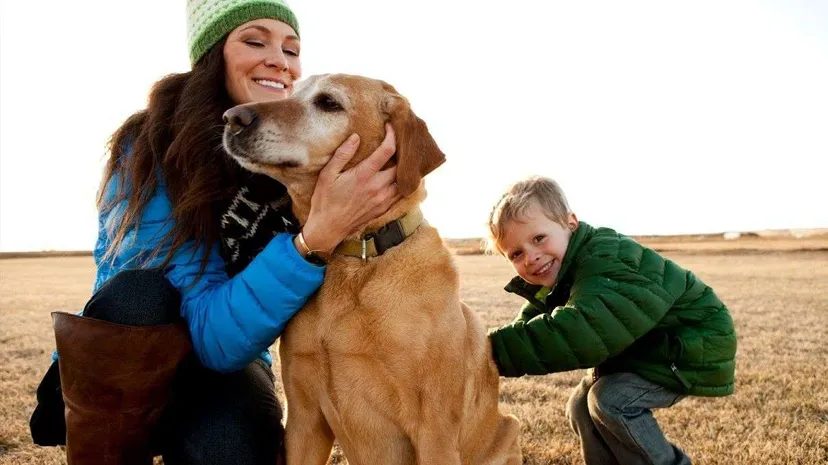
Scientists in Atlanta are currently mapping the canine brain. They are measuring neural activity to see if dogs prefer their owners or their dinner bowl. It seems only fair. Researchers already flipped the script.
In 2014, a team from Boston scanned the brains of mothers. They wanted to see how these women reacted to a choice that defines their lives: their child or their dog. The goal was to understand mother dog brain bonding.
The study included a psychiatrist and a veterinarian. They looked for specific neural substrates. These are brain parts tied to behavior or psychological states. Moms viewed pictures of their kids. They also viewed pictures of their dogs.
Researchers asked a simple question. People bond tightly with family and friends. Does that bond look the same, neurologically, for pets?
Lori Palley of Massachusetts General Hospital co-led the report. She told the Harvard Gazette that previous studies showed oxytocin levels rise after interacting with pets. This hormone drives pair-bonding and maternal attachment. New imaging technology helps us see the neurobiological basis of this relationship.
The team used functional magnetic resonance imaging. They scanned 18 willing moms. 14 provided good data. The results are in.
Mothers looked at photos of their own children. The kids were between 2 and 10 years old. They also looked at photos of the family dog. The dog had to be part of the family for at least two years. The researchers also showed images of other people’s kids and strange dogs.
The brain patterns revealed overlap. Many areas lit up for both the child and the dog. These regions handle reward, emotion, and affiliation.
But there were differences too. Other reward and affiliation areas activated for the child only. One specific area behaved differently. The fusiform gyrus. This part of the brain handles visual and face processing. It also manages social cognition. It activated more for the pet than the child.
The authors explain this gap. Facial cues are central to dog-human interaction. Face perception helps owners identify their dog. It allows them to use gaze direction to communicate. It helps interpret emotional states.
So, what does it mean? The mother-child and mother-dog bonds share emotional experience. They share brain function patterns. Yet, differences exist. These reflect the distinct evolutionary underpinnings of each relationship.
Moms don’t play favorites. Each baby is special. Just in different ways.
“Dogs, and probably many other animals… seem to have emotions just like us,” Emory’s Gregory Berns wrote. “And this means we must reconsider their treatment as property.”
Berns is the author of How Dogs Love Us. His work at Emory’s Canine Cognitive Neuroscience Laboratory started early. He found that a dog’s brain reacts to things it enjoys. Food. The sight of an owner.
The science suggests our pets feel. Our brains mirror theirs in moments of affection. The line between family and pet blurs in the gray matter. Does that change how we care for them? The data points to yes. The implications are still unfolding.


