The age-old advice: “If you want job security, choose medicine” still holds true. The logic is simple. People are living longer and longer. According to UN data, the world’s population over 60 will more than double by 2050, jumping from 841 million in 2013 to more than 2 billion. These 2 billion people need treatment. Harley Street. dentist. Physiotherapist. surgeon. pharmacy. The requirements are structural. It is built into the biology of an aging world.
But you don’t have to be a doctor to pursue this field. The industry is changing. It transcends traditional frontline roles. New technologies are involved in the battle. We are talking about electronic records. Robotic surgery. A leg prosthesis controlled by the brain. This flood of technology has created a different job market. It creates roles you may never have heard of.
Here are 10 promising careers to look out for.
Bioinformatician
Think data science is just for tech companies? Think again. Bioinformatics is at the intersection of biology and computer science. It is an important pillar of modern medicine.
This role involves the analysis of complex biological data. Genome sequence. Protein structure. Results of clinical trials. The amount of data is huge. It’s very messy. Understanding it requires special software and statistical models.
Why is this important for career prospects? Because healthcare is becoming data-driven. Every hospital, every lab, every pharmaceutical company needs people who can interpret this data. They need bioinformaticians.
Demand continues to grow as the cost of DNA sequencing has dropped dramatically. We are generating more genetic data than ever before. But raw data without interpretation is useless. Bioinformaticians fill this gap. They turn biological problems into computational problems. Then they solve them.
This is not an entry-level job. Requires strong programming skills. Python or R are standard. You must also have a solid understanding of biology. This is a special skill set. This specialization protects them from automation. Artificial intelligence helps to process data. Nor can it replace the nuanced understanding of biological systems provided by trained bioinformaticians.
If you like puzzles, this is for you. The “hard problem” is people’s health. These parts are data points. The solution is better treatment options.
The future of healthcare is not just about increasing the number of nurses. It’s about smarter systems. Intelligent systems require architects. Bioinformaticians are its architects.
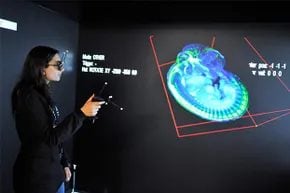
If you love raw data as much as you love biology, bioinformatics might be for you. It’s more than just observing cells under a microscope. It’s about extracting meaning from huge data sets. These experts draw on genetics, population biology and drug development. They use math and simulation to understand everything.
These tools are digital. Bioinformaticians use sophisticated software and the Internet to build models. They can design clinical trials for new compounds. Or maybe they created a statistical model to predict population growth. Some create 3D models of DNA and protein sequences. This job requires a special combination of coding skills and biological knowledge.
These professionals are called by different names. You may hear them called biostatisticians or biostatisticians. Computational biologist is also a common title. Their work has a history. The Human Genome Project, which ran from 1990 to 2003, was a major triumph. Analysis of sequence data requires enormous computing power and rigorous statistical skills. This success demonstrates the value of their approach.
Growing demand for computational biologists
Why is this field important now? The number of these experts is expected to continue to grow. They are moving into fields like personalized medicine. This is a shift from panacea to treatments tailored to specific genetic profiles. Pharmaceutical companies are the largest employers in this field. We need people who can handle complex biological data.
“Bioinformaticians have been around for a while. One of their greatest successes to date has been analyzing genome sequence data, primarily from the Human Genome Project.”
The work is very practical. It is not an abstract theory. It leads to genuine products. That brings real challenges. It leads to real medical care. The intersection of computer science and biology is where the action happens.
9: Expert in cryopreservation
What do cryonics experts really do?
The next character in the list is often misunderstood. Cryonics experts deal with extreme cold. They store biological materials. This includes cells, tissues and sometimes whole organs and embryos. The goal is to stop biological decay. Use liquid nitrogen or other coolant. This process requires careful temperature control. Prevents the formation of ice crystals inside the cells. Ice crystals can cause damage. They damage cell membranes. Professionals should approach this carefully.
This industry is a niche market. It is not as well known as bioinformatics. But it’s growing. It is used in fertility clinics to store eggs and sperm. It is used in stem cell line research institutes. Some in the biohacking community are interested in cryonics. It’s about preserving the whole body even after death. As an activation method, it is still controversial and unproven. But the science behind cell preservation is solid.
How it works and where it is used
This process involves more than just freezing. It must be glazed. This changes the biomaterial into a glassy state. Prevents crystallization. Professionals monitor the cooling rate. They add antifreeze. These chemicals protect cells from ice damage. Storage must be stable. The temperature must be kept at -196 degrees Celsius. Any variations will spoil the sample.
Where do these professionals work? Often in hospitals and birthing centers. Used in research facilities for long-term storage. couple

Truth be told, freezing corpses to get a miracle cure is mostly a punchline. It’s science fiction that feels more like black comedy than medical reality. Even freezing beloved pets feels more like an all-or-nothing game with death than science. This method is called cryopreservation and is technically the process of freezing tissues and organs in order to preserve them for later use. This has nothing to do with the resurrection. It’s all about storage.
Currently, it is only commonly used to treat infertility. Embryos are frozen for in vitro fertilization. Sperm and eggs are frozen for patients undergoing treatment that may destroy their natural fertility. These are routine steps. It is effective because its simple structure allows it to withstand ice crystals that normally crush cells.
Researchers currently have no plans to bring the dead back to life. They focus on practical matters. They hope to extend the life of transplanted organs. Currently, a removed heart or liver can only be kept for 24-48 hours. If an equivalent is not found quickly, the organism dies. It’s so pointless. Imagine if surgeons could preserve living organs if necessary. This is the holy grail.
Scientists have spent years trying to solve the ice problem. If they can crack the code, cryonics experts will eventually become indispensable and in-demand professionals. But there is another way. Something faster.
8: Custom Organ Transplant Designer
Where freezing is a battle against physics, bioprinting is a battle against time and scarcity. This field is often referred to as “custom transplantable organ design” or “tissue engineering”. No refrigeration required. It has to do with architecture.
The logic here is simple. The body rejects foreign tissues. Reject organs donated by others. The risk of rejection is constant, even with the use of effective immunosuppressants. Donating a kidney from a stranger is a compromise. One solution is to grow kidneys using your own cells.
Researchers use 3D printers to create scaffolding. These stents are made of biocompatible materials that dissolve over time. Stem cells are seeded into these structures. Cell regeneration. They are organized into functional organizations. The goal is to print a liver, kidney or heart muscle that exactly matches the patient’s genetic profile.
This is not just a theory. It’s happening now in the lab. Researchers have successfully printed small pieces of heart tissue. The structure of the ear is printed. Each iteration adds complexity. Full-sized, complex organs are out of reach. The vascular network is too complex. The number of cell types is enormous.
But the direction is clear. Why wait for a donor? Why is rejection at risk? The future of organ transplantation could be customized organ transplant design. It turns the body into its own factory.
The dream of bioprinting is about more than saving lives. This will completely eliminate waiting lists.
Critics point to the cost. Printing facilities require expensive equipment. Engineers with advanced skills are needed. It requires a sufficient number of stem cells. These barriers are high. They may soon make custom-made organs rare. However, the technology is developing. The price of 3D printing is falling. Stem cell science is maturing.
Jokes about frozen bodies can disappear. hope
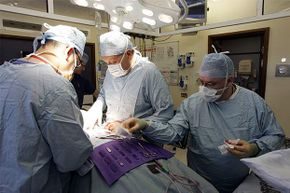
The numbers are tough. As of September 8, 2014, the United States held its breath. 123,175 patients are waiting for a life-saving transplant. The majority, 101,170, asked only for a kidney.
Just because you get your kidney back tomorrow doesn’t mean you can go back to your normal life. Not immediately. The road is paved with failures. 7% of new kidneys close within the first year. By the third year, 17 percent were gone. 10 years from now? Only 54 percent are still in operation.
why do they fail? Almost always rejected. The immune system is a bodyguard that does not recognize the VIP list. They find foreign objects and attack them. It’s not just a kidney problem. It occurs in the heart, liver and lungs. Any organ transplanted into a non-growing body is a target.
Bioprinted life plan
There are ways to overcome this bottleneck. Scientists are aiming for a future where we don’t have to wait for donors. You become a donor.
The goal is to adapt organs that can be transplanted. Designed for specific biology. Built from your own cells.
How does this work in theory? The cells are removed, suspended in a gel, and the mixture used as “ink”. 3D printers can build layers. Alternatively, researchers can inject the cell slurry directly into the injection mold. The result is an organ that suits you.
This solves two big problems at once. This reduces the waiting list to zero. And since the cells are your own, rejection is almost impossible. The immune system recognizes itself.
Medical researchers just don’t talk about this. they work hard. They try to grow everything from ears to full kidneys. Its purpose is to help people who have suffered from organ failure or disfigurement.
The rat underwent a successful intervertebral disc replacement. If it works in rodents, it could be next in humans. Time is running out. As success accumulates, the role of custom transplant organ designers becomes important. We are moving from scarcity to customization.
7: End of Life Therapist

The clock is ticking. We live longer than our grandparents. This extra time is great, but it raises the big question of what happens in the final stages.
Hire end-of-life therapists.
This is not a new job, but it is constantly evolving. These experts do more than just listen. organized With backgrounds in social work, palliative care and human psychology, they help older adults cope with the conditions and emotions associated with aging.
The last stage of organizing
It’s very messy. People talk about details of death. Lawyers deal with wills. The doctor gives medicine. A family member assumes responsibility.
The End of Life Therapist brings it all together. Think of it as a one-stop shop for the hardest part of being human.
They deal with big things. What can I do to make the dying process go smoothly? How do you deal with the legal complexities of the elderly? It’s not just about pain management. It’s all about mental preparation.
“A skilled therapist not only has the appropriate academic background, but is also able to discuss such sensitive information with compassion and calmness.”
That last part is important. You need someone who cares about you and won’t leave you. They also help their families. They guide them through difficult times.
6: Genetic Counselor
But before you get to the finish line, you need to know where you’re going. Go to a genetic counselor.
This is a specialized role. Doctors aren’t the only ones doing tests. They are the interpreters of your biological blueprint.
They will check your DNA. They will look into your family history. Then convert the data into something you can actually use.
Why do we need them
Science is developing rapidly. Genome sequencing can now be done for less than $1,000. This means more people are getting test results they don’t understand.
Genetic counselors fill this process. gap. They explain the risks. They discuss birth control. These will help you decide what to do with potentially life-changing information.
How it works
This is a conversation. This is not a lecture.
You bring your family tree. Maybe your parents also had cancer when they were young. or a relative with heart disease. Your counselor will plan it for you.
Then they test your genes.
They don’t just say, “You’re in danger.” They will give you a number. probability Schedule.
then? They help you make decisions.
Do you want to know? Would you like to change your eating habits? What about your education? Want to see more screenings?
It is full of power. But it’s heavy. That’s why we need experts.
who are they?
Genetic counselors are masters of statistics and empathy. They are somewhere between knowledge and your fear.
They know which tests work. They know what matters is.
Helping you understand your insurance coverage. Helps to consult with your doctor.
The future of personal health
We strive to provide you with customized medical care. It is not universal. specialized.
Genetic counseling is the first step in this process. journey. It’s about knowing your body before it lets you down.
This is not fear mongering. This is preparation.
Just like the therapist prepares you for the rest of your life. this process.

Genetic counselors stand at the intersection of hard science and human emotions. They work with doctors to help patients understand what a genetic disease, disorder or birth defect means to their family. It’s not just about data. It’s about those heavy and sensitive conversations that follow.
Consider the weight of positive results for breast cancer genes. Will you follow Angelina Jolie’s example and opt for preventive double mastectomy or Wait and see? These are not decisions made in a vacuum. Genetic counselors provide a safe space to address these fears. These will help you decide which tests are important for your fetus and how to interpret the results before changing everything.
This profession is growing rapidly. The National Association of Genetic Counselors was founded in 1979, but initial uptake was slow. At that time, genetic testing was still rudimentary. Now the situation is completely different. Tests are more accurate. They are more complicated. New variants and conditions complicate the interpretation of the prognosis.
As technology expands, the need for experts increases. The road to becoming a genetic counselor is a difficult one. A master’s degree is required. This is not an entry-level role for someone with no experience. The American Society of Human Genetics and other institutions emphasize rigorous training because of the high stakes.
5: Health care workers
The task is more than individual patient care. Many industry experts also guide the next generation. Professors of medicine may teach courses in bioethics, genetics, and clinical practice. They form a bridge between theoretical genetics and real-world applications.
This dual emphasis on guidance and training ensures that the industry remains grounded. It prevents science from becoming too distant from the people it serves. If you are considering this career or are planning to become a nurse, know that in-depth expertise is required. It’s more than just reading test scores. It’s about understanding the human context behind our DNA.

This is a question no one wants to ask. As many new innovative healthcare roles emerge over the next decade, who will teach them? We need teachers. Especially medical professors.
They are in front of the class. They train pharmacists. nurses. Physiotherapist. And the dentist. Demand is growing in all these areas. They also train people for jobs that didn’t exist 10 years ago. Cold storage specialist. Bioinformatician.
The professors themselves often dabble in both worlds. Some of them still work as doctors. There are also pure researchers and passionate teachers. However, this industry is changing rapidly and we cannot afford to be complacent. They have to keep up. always. It’s not enough to know what 2010 was like. They also often do their own research and push the boundaries when teaching.
The price of information
This is not a cyclone show for the faint of heart. But the pay is good.
Health professions professors earn the highest incomes among college teachers. Usually over $100,000. This is a solid number.
The demand for these trainers is growing rapidly. The employment growth of health professors is expected to be 36.1% between 2014 and 2024. This is not a typo. This is almost four times more than the average growth of all occupations. The system is expanding and instructors are needed to fill the positions.
4: Healthcare Navigator
So if professors teach specialists, who helps patients navigate the system?
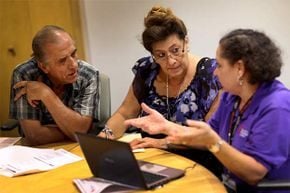
Playing the patient is often an easier role. People flock to you. They bring soup. They are responsible for logistics. But what about caregivers? There is real pressure here. It’s up to you to make sure your treatment plan actually works. You are responsible for organizing insurance claims and legal documents. The hospital is a maze. Navigating it alone is exhausting. That’s why Healthcare Navigator exists.
Think of it like a compass in a storm. They guide you calmly and compassionately in the midst of chaos. They answer the questions that keep you up at night. Who do you call if your loved one stops eating? Do you need medical equipment at home? Is it covered by insurance? They just don’t respond. It understands the “how”.
Most navigators today start out as nurses. They have seen the inside of the emergency room. They know how machines groan under pressure. However, this field is constantly evolving. Future navigators are likely to combine clinical knowledge with social work expertise. This is not just a medical problem. It tells about life outside the walls of the hospital.
Interpret the insurance market
Navigators are not just for hospital care. They are also important for the US health insurance market. The system created by the Affordable Care Act is difficult to understand. This applies even to experts. Navigators help consumers decide which plan makes sense. They break jargon.
Certification is required. You can’t just jump in and start giving people advice. They must complete a training program. Further education credits must be retained. This keeps it updated. Healthcare is changing rapidly. Plans can change quickly.
When to Introduce Medical Scribe
Not all situations require a perfect navigator. Sometimes you just need someone to record your notes. Type Medical Scribe.
A scribe observed the visit. they listen. they write. Record the interaction between doctors and patients in real time. This reduces the burden on doctors. Your doctor can focus on you. No delay. Scribe takes the administrative burden. This improves the quality of care. Reduce service provider burnout.
There is a difference between a navigator and a scribe. Navigator handles a wider range of systems. insurance. Home from the hospital. Long-term treatment. The scribe will respond immediately. Note prescriptions. Both are important. Both reduce the burden on patients and their families.
The system is broken. This is the reality. However, it is not hopeless. You don’t have to do this alone. We have trained staff for heavy lifting. They know the shortcuts. They know the loopholes. They know who to call.
You still have to show up. You still have to be careful. But you don’t need to know everything. no longer.
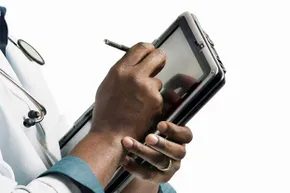
Doctors once boasted of their effectiveness. They argue that electronic health records (EHRs) free them from dictation. What about reality? This is a trap.
Electronic patient records require extreme care. Each click takes a few seconds. Each checkbox is summed. What was supposed to be a shortcut turned out to be a waste of time. Doctors spend more time staring at screens than examining patients. It’s bad medicine.
Go to the doctor. This is not just a trend. This is a necessary fix for a broken workflow.
Real scribe job description
Scribes do more than just write. They blend into the exam room. Its main function is to record visits in real time. This allows healthcare workers to focus on the patient instead of the keyboard.
But its role extends beyond the exam room.
The scribes prepared for the next meeting. They extract historical data. Clear the information if your doctor asks. The classification of messages can also be processed.
This creates a direct communication link between the service provider and the administrative body of the clinic.
Why medical schools are paying attention
Medical schools understand the value. Some US institutions now encourage applicants to work as scribes first. Provide context. Offer cooperation. This proves that you are ready for a clinical setting before completing four years of school.
This is a review process. Something practical.
Entry requirements are lower than you think
You don’t need a degree to get started.
Scrib America and other major agencies list a high school diploma as the minimum qualification. that’s it.
However, the competition is fierce. My preferences are usually the following:
- University degree
- Fast typing speed
- Computer knowledge
・Those who are familiar with medical terminology
Barriers to entry are low. Expert documentation is in high demand. This is the first step for anyone who wants to know what medicine is really like.
Compromise
The Scribe model solves the problem of physician burnout due to data entry.
It does not address the root cause. EHR systems still dictate workflow. Scribe is just a human buffer against poorly designed user interfaces.
Is this the future of practice? perhaps.
Or is it a temporary patch for a system that refuses to prioritize human interaction over data collection?
The author kept the lights on. But who fixes the grid?
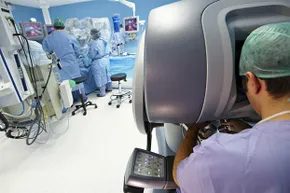
The rise of #HeartLander and the future of medical robots
Meet the Heartlander. It is a small robot designed to manipulate the human body with amazing precision. Although it is supervised by a doctor, the device itself is designed by a medical robotics expert. These experts are building smart tools to help and collaborate with doctors. tasks From complex surgeries to early detection of diseases.
Heartlander is inserted into the chest through a small incision under the sternum. Once inside the body, it travels along the surface of the heart. It searches for a specific area. After that, it delivers the treatment prescribed by your doctor. No need to guess. Very targeted action.
But Heartlander is just one part of this growing field. Medical robots cover a wide range of devices. Consider, for example, the DEKA arm. This is a mind-controlled prosthetic leg. Users can grasp objects and pick up eggs without breaking the shell. fine motor skills Reconstruction through technology.
Outside the operating room
These inventions is patented. We are talking about companion robots for the elderly. Imagine a robot that helps you with your daily tasks. Or a little robot that swallows pills. It images your insides from the inside out. Endoscopy is not required. There are also neurosurgical robots that attach directly to the skull. Direct user interface.
Who does something like this? They usually have a background in engineering or computer science. But it’s more than just code and circuits. They also need medical training. When building a cardiac robot, it is important to understand the anatomy.
1: Remote surgeon
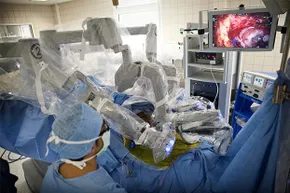
The concept of remote surgery is not new. The capabilities of remote surgeons are, however, increasingly sharp. Doctors in New York can supervise surgeries in Tokyo. Latency must be low. Feedback should be tactile. The roboticist ensures that the hand moves exactly as the surgeon intended. There are no delays. No distortion.
This isn’t science fiction anymore. This is a clinical reality. And it’s expanding rapidly.
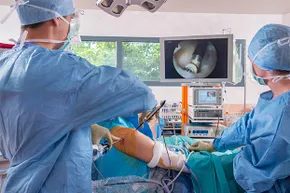
The Rise of #Telesurgery: Remote Control and Global Impact
A telesurgeon is a doctor who performs surgery remotely. This is different from computer-assisted surgery. In these cases, the surgeon sits at a console several meters away. They monitor the entire process in real time. The remote surgeon’s patients can be in the hospital in different parts of the city. Or in another country. The first completely remote operation was performed in 2001. This is a cholecystectomy. Surgeon in New York. The patient was in France at the time.
The future of remote surgery
Remote surgery is not yet common. It’s 2014 and expectations are high. The system needs to be improved. It must also be financially viable. If this happens, the possibilities expand. Surgeons can treat wounded soldiers near the battlefield. They can perform surgery on astronauts in space.
This also helps rural people. Developing countries also benefit. There is often a shortage of skilled surgeons. Remote surgery can fill this gap.
Global competition
Are you considering becoming a remote surgeon? Keep this in mind. Your competition will be global. Surgeons from several countries can bid on surgeries. Location doesn’t matter anymore. It could mean more qualified doctors. This can mean a highly skilled doctor. The market can force higher requirements.