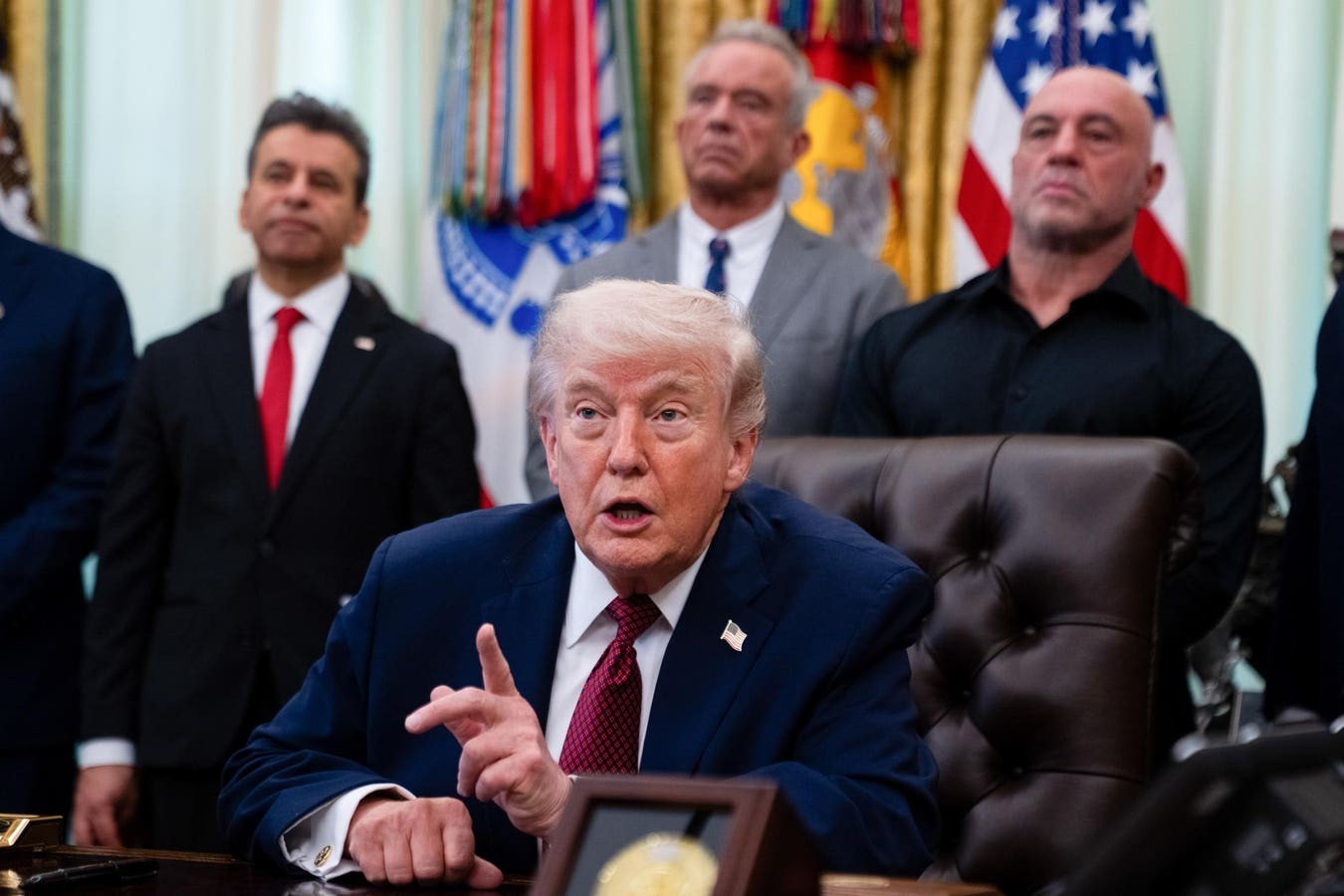
Recent executive actions by President Trump have signaled a potential paradigm shift in how the United States approaches controversial substances. Through two significant executive orders, the administration is moving to accelerate the medical integration of psychedelics and cannabis, aiming to bridge the gap between decades of underground research and mainstream clinical application.
The Psychedelic Renaissance: Fast-Tracking Treatment
For years, researchers have operated in a difficult regulatory environment, investigating the therapeutic potential of substances like psilocybin, MDMA, and ibogaine. While these drugs have long been classified as Schedule I—meaning they are deemed to have no accepted medical use and a high potential for abuse—the new administration is pushing for a more rapid integration into the healthcare system.
The President’s executive order focuses on several key pillars to expedite this process:
- Inter-agency Collaboration: The FDA and the Department of Veterans Affairs will now work together to share data and increase participation in clinical trials, specifically targeting veterans suffering from PTSD.
- Financial Support: $50 million will be allocated to states that advance psychedelic-based programs.
- Regulatory Incentives: The FDA will issue new research guidance and offer “priority vouchers” to pharmaceutical companies, significantly cutting down the time required for drug approval.
- Expanding Access: The order leverages “Right to Try” legislation, allowing terminally ill patients greater access to these treatments.
The Ibogaine Controversy
The push for psychedelics gained unexpected momentum following a public exchange between the President and podcaster Joe Rogan. Rogan suggested that ibogaine —a substance used to treat opioid addiction—could have an 80–90% success rate.
However, medical experts urge caution regarding these claims. While ibogaine is a subject of intense interest, observational studies suggest a more modest efficacy rate of 23–55% over a year. Furthermore, the drug carries significant safety risks, including irregular heart rhythms and documented fatalities. The new executive order paves the way for the first human clinical trials of ibogaine in the U.S., but the medical community remains watchful of these safety concerns.
Cannabis Reclassification: Moving to Schedule III
In a move that continues a trend started during the previous administration, President Trump has directed the reclassification of cannabis from Schedule I to Schedule III.
This distinction is critical for the future of medical research:
1. Schedule I (Current/Former): Includes substances like heroin and LSD, viewed as having no medical utility.
2. Schedule III (New): Includes substances like ketamine and testosterone, recognized as having medical uses with a low-to-moderate potential for dependence.
By moving cannabis to Schedule III, the federal government is effectively removing the massive bureaucratic hurdles that have historically stifled research into THC and its various therapeutic benefits, such as treating chronic pain, nausea, and neurological disorders.
What This Does (and Doesn’t) Change
It is important to note that this reclassification is not a “green light” for recreational use.
– Limited Scope: The policy applies only to cannabis products that are FDA-approved or regulated under state medical licenses.
– Legal Status: Possession of marijuana in states where it remains illegal could still result in legal consequences.
– Regulatory Patchwork: The move does not resolve the “regulatory confusion” caused by the inconsistent laws across the 50 states, nor does it establish a single federal oversight body for recreational sales.
Looking Ahead: A New Era of Medicine?
The administration’s actions represent a significant leap toward validating substances that have long been relegated to the fringes of medicine. By prioritizing research and streamlining the FDA’s approval pathways, the government is signaling a willingness to embrace “breakthrough” therapies for treatment-resistant depression, PTSD, and addiction.
While the regulatory road has been rocky in the past—evidenced by recent FDA rejections of certain MDMA-assisted therapies—the combination of new funding, expedited review processes, and an enthusiastic administration suggests that the era of “psychedelic-assisted treatment” may finally be arriving in mainstream clinics.
Conclusion
These executive orders mark a pivotal moment in federal drug policy, aiming to transform psychedelics and cannabis from prohibited substances into regulated medical tools. While significant safety and legal hurdles remain, the shift toward Schedule III cannabis and expedited psychedelic research sets the stage for a major expansion in mental health treatment.