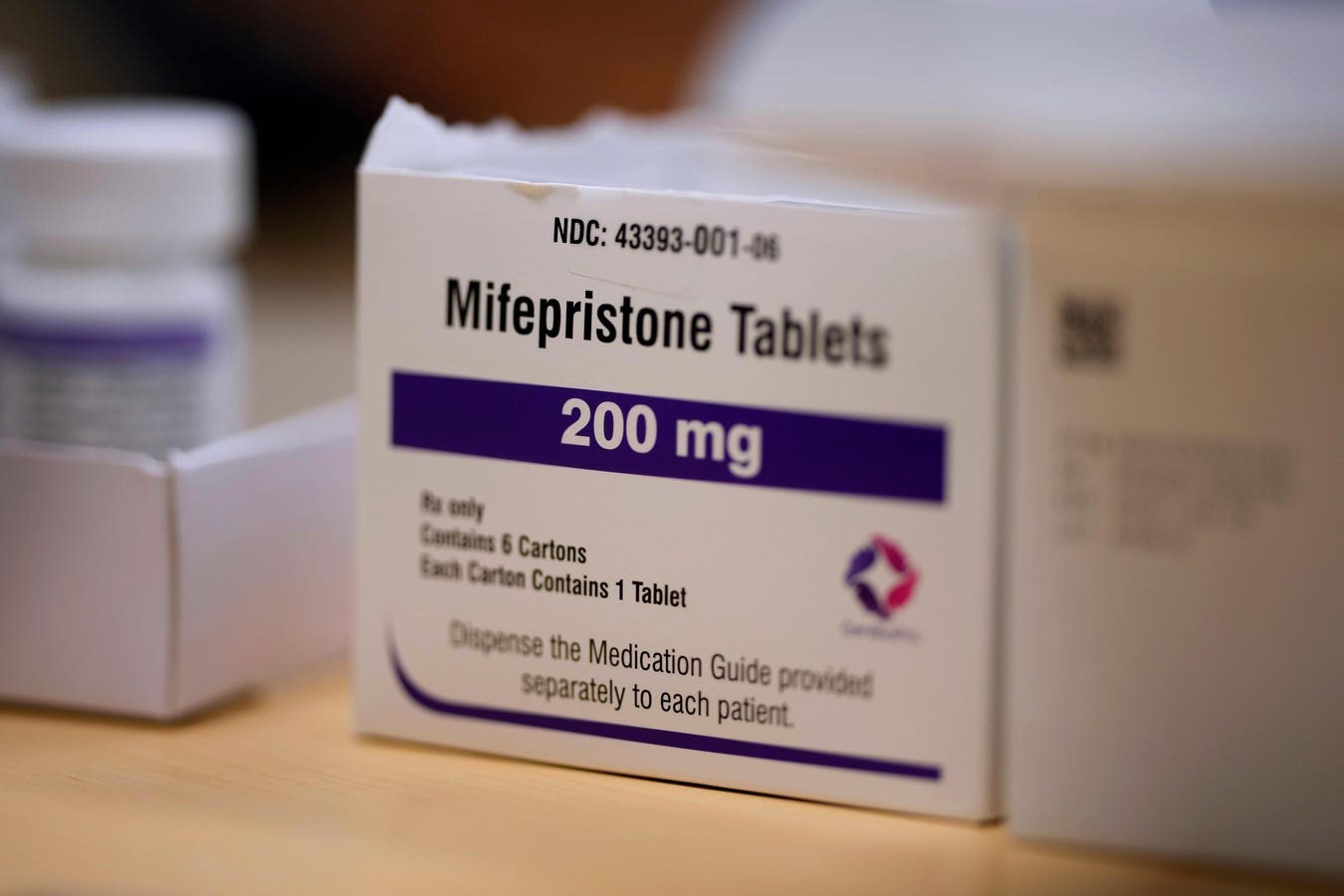
The distribution of mifepristone, commonly known as the abortion pill, has returned to the center of a heated legal and political storm in the United States. After a federal appeals court recently ruled that the medication could only be distributed in person at clinics, the Supreme Court intervened to temporarily restore access via mail. This temporary order, effective for one week, allows the highest court to fully review the case while patients maintain their current access to the drug.
This legal tug-of-war highlights a broader tension between medical regulation, state-level bans, and federal authority. The outcome will likely set a precedent not just for abortion care, but for how the Food and Drug Administration (FDA) manages drug distribution in a polarized political landscape.
The Legal Flashpoint
The immediate conflict stems from a ruling by the Fifth Circuit Court of Appeals. The court sided with Louisiana’s attorney general, arguing that allowing mifepristone to be mailed to patients undermines state laws banning abortion. This decision effectively reversed regulations established under the Biden administration, which permitted telehealth prescriptions and mail-order delivery of the medication.
However, the Supreme Court’s emergency intervention paused this restriction. By reinstating mail-order access temporarily, the Court has signaled that it is taking a close look at whether federal appellate courts can override FDA safety determinations based on state political objections.
Understanding Mifepristone: Safety and Usage
To understand the stakes, it is essential to look at the drug itself. Approved by the FDA in 2000, mifepristone works by blocking progesterone, a hormone necessary for pregnancy to continue. When taken alongside another medication, misoprostol, it effectively ends pregnancies up to 10 weeks after conception.
The medical consensus on mifepristone is robust:
* Long-term Safety Record: The drug has been used in Europe for nearly three decades and in the U.S. for over 20 years. Data shows fewer than 1% adverse events, with only 24 deaths reported among 3.7 million users between 2000 and 2018.
* Comparative Safety: Researchers consider mifepristone safer than many over-the-counter medications, including non-steroidal anti-inflammatory drugs (NSAIDs) and antihistamines.
* Clinical Consensus: More than 100 peer-reviewed studies worldwide have confirmed the drug’s safety and efficacy.
In recent years, the FDA has eased restrictions to align with this evidence. Since 2021, providers have been allowed to prescribe mifepristone via telehealth and ship it directly to patients. These changes contributed to medication abortions accounting for over 60% of all abortions in the U.S. today.
Why Now? The Post-Roe Landscape
The intensity of these legal challenges has surged following the Supreme Court’s 2022 decision to overturn Roe v. Wade. With constitutional protections for abortion removed, states have enacted strict bans, prompting advocates to rely more heavily on medication abortion as a viable alternative.
The political environment has further complicated matters. With President Trump returning to office and a new administration in place, the debate has intensified. Health and Human Services Secretary Robert F. Kennedy Jr. launched a formal review of mifepristone last autumn, focusing on its Risk Evaluation and Mitigation Strategy (REMS). Critics argue this review aims to tighten prescribing rules or restrict telehealth and mail distribution, potentially reversing years of regulatory progress.
The Question of Authority
At the heart of this dispute is a fundamental question about who gets to decide drug safety: the FDA, based on scientific evidence, or the courts and political actors, based on ideological grounds.
A key point of contention involves a non-peer-reviewed study from the Ethics and Public Policy Center, a conservative think tank, which claims higher rates of adverse events. This study has been cited in requests for the FDA to reassess mifepristone, despite contradicting decades of peer-reviewed medical data.
Beth Schlachter, senior director of U.S. external relations for MSI Reproductive Choices, criticized the recent court ruling as a “chilling attempt to restrict access to abortion across America.” She emphasized that “abortion care should be governed by science and medical expertise – not politics.”
Conclusion
The current legal battle over mifepristone is more than a dispute about a single drug; it is a test of the FDA’s regulatory authority. If courts are allowed to override the agency’s safety findings based on political arguments, it could set an unsettling precedent for pharmaceutical regulation nationwide. As the Supreme Court prepares to make its final determination, the outcome will define not only access to abortion care but the integrity of the scientific review process itself.